Technological sovereignty has become a defining ambition of Europe’s digital and political agenda. Reflecting the continent’s determination to strengthen its autonomy, resilience, and competitiveness in an increasingly complex global landscape, Europe seeks to reduce dependencies and build capacity across critical technologies.
Launching at this pivotal moment in Europe’s digital future, the inaugural Sovereign Tech Europe conference will provide a dedicated platform to explore the ambition behind this vision. The event will bring together policymakers, industry leaders, and innovators to examine the policies and partnerships needed to build an innovative and competitive technological ecosystem that can underpin Europe’s long-term sovereignty and leadership on the global stage.







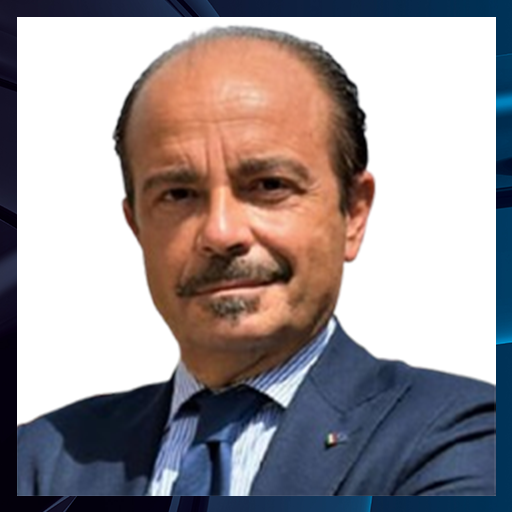 Alessio Butti, Undersecretary of State to the Presidency of the Council of Ministers for Technological Innovation, Italy
 Bio to follow.
Undersecretary of State to the Presidency of the Council of Ministers for Technological Innovation
Italy
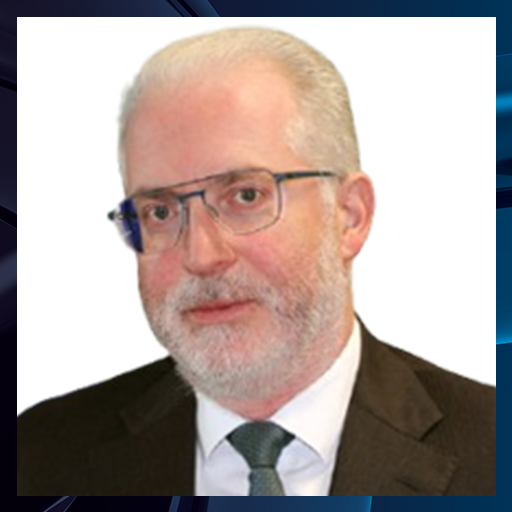 Philippe Van Damme, Deputy-Director General, DG-DIGIT, European Commission
 Philippe Van Damme is Deputy Director-General “Digital Services”at the European Commission. The Directorate-General for Digital Services (DG DIGIT) is the Commission department responsible for digital services that support all Commission departments and other EU institutions in their daily work and that help public administrations in EU member countries. In his previous function as Director Digital Workplace and Infrastructure he was in charge of the Commission’s ICT infrastructure services such as data centres, cloud, network and telecommunications facilities and the engineering and support of the institution’s digital workplace.
He holds a MSc degree in electronics engineering and in industrial management, resp. from the University of Ghent and Vlerick Business School. He has also completed an executive leadership program at Harvard Business School.
Deputy-Director General, DG-DIGIT
European Commission
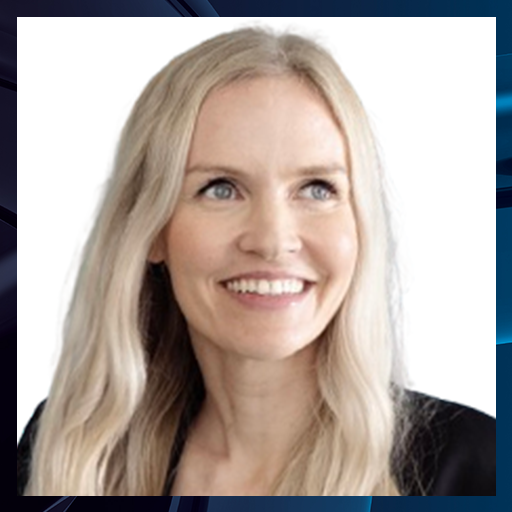 Aura Salla, Member, European Parliament
 Aura Salla is a Member of the European Parliament. Prior to that, she was Head of EU Affairs and oversaw Facebook’s engagement on EU policies with the European Institutions and Member States. Before joining Facebook, Aura worked in the EC as a Foreign Policy and Communications Adviser in the European Political Strategy Centre (EPSC), in-house think tank to President Jean-Claude Juncker. Previously she served as a Member of Cabinet of Jyrki Katainen, European Commission Vice President responsible for Jobs, Growth, Investment and Competitiveness.
Member
European Parliament
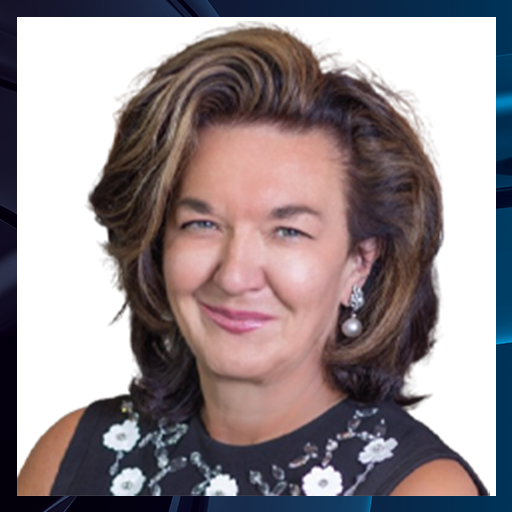 Cristina Caffarra, Founder and Chair, EuroStack Initiative Foundation
 Cristina Caffarra is an antitrust expert economist who was Head of European Competition at major economic consultancies for over 20 years – leading large teams and giving expert testimony in Europe and across the world on some of the most high-profile cases of the past two decades. Moving on from consulting, she co-founded the Competition Research Policy Network at the Centre for Economic Policy Research, where she curates and hosts policy discussions. She has been a vocal contributor – speaking and writing extensively – to the global debate on antitrust and regulation of digital markets.
She has shaped the European conversation around the role of antitrust as a tool of broader economic policy, by advocating the integration of antitrust and data protection, and encouraging new thinking around how antitrust can contribute to equitable economic growth. She hosts and curates a celebrated annual conference in Brussels on antitrust and the political economy. She is co-founder of the EuroStack movement and Chair of the EuroStack Initiative Foundation in Europe. She is an Honorary Professor at UCL in London.
Founder and Chair
EuroStack Initiative Foundation
 Laura Eiro, Director General, Data, Safety and Security Department, Ministry of Transport and Communications, Finland
 Laura Eiro is Director-General of the Data, Safety and Security Department at the Ministry of Transport and Communications. The Department is responsible for promoting the data economy and the availability of data, and for legislation and strategy work concerning information security in communications networks and services. The department’s responsibilities include also regulation and policy measures concerning road traffic and logistics chains. Eiro serves as Secretary-General of the Ministerial Working Group on reforming society as well as one of the chairs of the interministerial Digital Office. She is a member of several other cooperation groups on digitalisation, the data economy and cyber security and is involved in a number of legislative and development projects in this field. Eiro has also served as the chair of the Advisory Board of Statistics Finland since the beginning of 2023.
Previously Eiro has worked at the Ministry of Transport and Communications in expert and managerial positions. She has also worked at Finland’s Permanent Representation to the EU, at Intelligent Transportation Society of Finland and at the Ministry of Finance as secretary general of the Finnish Technology Advisory Board.
Director General, Data, Safety and Security Department
Ministry of Transport and Communications, Finland
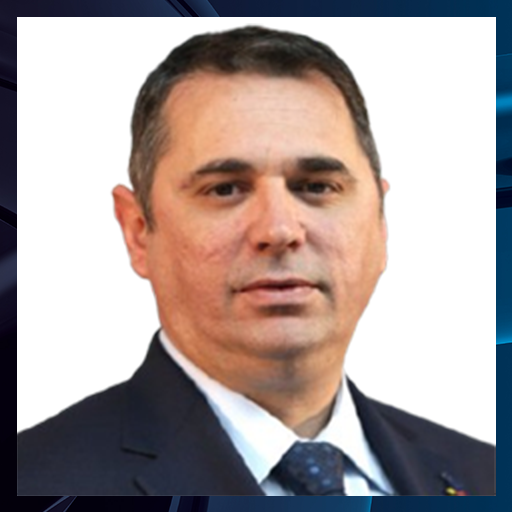 Dragoş Cristian Vlad, President, Authority for the Digitalisation of Romania (ADR)
 Dragoș-Cristian Vlad is the President of the Authority for the Digitalization of Romania (ADR), a role he has held since January 2022. With over 20 years of experience in ITC and European funds management, Dragoș Vlad brings extensive expertise to the advancement of digital government.
Prior to leading the ADR, he served as Director of the Single Information Management System for Structural Instruments (SMIS) and IT Coordination Directorate within the Ministry of European Projects and Investments (2018-2021), where he managed MySMIS, the integrated IT system for managing projects funded through the European Structural and Investment Funds (ESIF).
Dragoș Vlad is a graduate of the Polytechnic University of Bucharest, specializing in Radio Communications. He is dedicated to leveraging technology to enhance public services and drive digital transformation across Romania.
President
Authority for the Digitalisation of Romania (ADR)
 Clark Parsons, CEO, European Start-Up Network (ESN)
 A longtime advocate of Europe’s tech ecosystem, Clark leads the ESN as its CEO. He also serves as the Managing Director of the Internet Economy Foundation, an independent think tank dedicated to European tech sovereignty. Clark also serves on the advisory board of ESNA, the European Startup Nations Alliance. Having co-founded a startup in the telecom space in 2005, Clark later went on to lead the Berlin School of Creative Leadership. After a career as a journalist in the US, he came to Europe in 1997 on a Robert Bosch Foundation Fellowship. He is based in Berlin.
CEO
European Start-Up Network (ESN)
 Casper Klynge, VP, Government Partnerships, Zscaler
 Casper Klynge is Zscaler’s Vice President, Head of Government Partnerships and Public Policy across EMEA. Casper leads political work and strategic relationships with governments, international & regional organizations across Europe, the Middle East, and Africa, helping countries, organizations and critical infrastructure operators mitigate cybersecurity issues as well as ensuring data protection and digital sovereignty requirements. Prior to joining Zscaler Casper spent the last 5 years in the technology sector including being responsible for government affairs in Europe for Microsoft.
Casper previously had a career in foreign affairs spanning several roles in the EU, NATO, and in government with geographical and operational experience from Europe, Africa, Asia and North America. He is a three time-ambassador and his background includes serving as Denmark’s (& the world’s first) Ambassador to the global tech industry, heading a diplomatic representation with a global mandate based in Silicon Valley, Europe, and Asia.
VP, Government Partnerships
Zscaler
Aura Salla, Member, European Parliament Aura Salla is a Member of the European Parliament. Prior to that, she was Head of EU Affairs and oversaw Facebook’s engagement on EU policies with the European Institutions and Member States. Before joining Facebook, Aura worked in the EC as a Foreign Policy and Communications Adviser in the European Political Strategy Centre (EPSC), in-house think tank to President Jean-Claude Juncker. Previously she served as a Member of Cabinet of Jyrki Katainen, European Commission Vice President responsible for Jobs, Growth, Investment and Competitiveness.
Member
European Parliament
Aura Salla, Member, European Parliament Aura Salla is a Member of the European Parliament. Prior to that, she was Head of EU Affairs and oversaw Facebook’s engagement on EU policies with the European Institutions and Member States. Before joining Facebook, Aura worked in the EC as a Foreign Policy and Communications Adviser in the European Political Strategy Centre (EPSC), in-house think tank to President Jean-Claude Juncker. Previously she served as a Member of Cabinet of Jyrki Katainen, European Commission Vice President responsible for Jobs, Growth, Investment and Competitiveness.
Member
European Parliament
Cristina Caffarra, Founder and Chair, EuroStack Initiative Foundation Cristina Caffarra is an antitrust expert economist who was Head of European Competition at major economic consultancies for over 20 years – leading large teams and giving expert testimony in Europe and across the world on some of the most high-profile cases of the past two decades. Moving on from consulting, she co-founded the Competition Research Policy Network at the Centre for Economic Policy Research, where she curates and hosts policy discussions. She has been a vocal contributor – speaking and writing extensively – to the global debate on antitrust and regulation of digital markets.
She has shaped the European conversation around the role of antitrust as a tool of broader economic policy, by advocating the integration of antitrust and data protection, and encouraging new thinking around how antitrust can contribute to equitable economic growth. She hosts and curates a celebrated annual conference in Brussels on antitrust and the political economy. She is co-founder of the EuroStack movement and Chair of the EuroStack Initiative Foundation in Europe. She is an Honorary Professor at UCL in London.
Founder and Chair
EuroStack Initiative Foundation
Laura Eiro, Director General, Data, Safety and Security Department, Ministry of Transport and Communications, Finland Laura Eiro is Director-General of the Data, Safety and Security Department at the Ministry of Transport and Communications. The Department is responsible for promoting the data economy and the availability of data, and for legislation and strategy work concerning information security in communications networks and services. The department’s responsibilities include also regulation and policy measures concerning road traffic and logistics chains. Eiro serves as Secretary-General of the Ministerial Working Group on reforming society as well as one of the chairs of the interministerial Digital Office. She is a member of several other cooperation groups on digitalisation, the data economy and cyber security and is involved in a number of legislative and development projects in this field. Eiro has also served as the chair of the Advisory Board of Statistics Finland since the beginning of 2023.
Previously Eiro has worked at the Ministry of Transport and Communications in expert and managerial positions. She has also worked at Finland’s Permanent Representation to the EU, at Intelligent Transportation Society of Finland and at the Ministry of Finance as secretary general of the Finnish Technology Advisory Board.
Director General, Data, Safety and Security Department
Ministry of Transport and Communications, Finland
Dragoş Cristian Vlad, President, Authority for the Digitalisation of Romania (ADR) Dragoș-Cristian Vlad is the President of the Authority for the Digitalization of Romania (ADR), a role he has held since January 2022. With over 20 years of experience in ITC and European funds management, Dragoș Vlad brings extensive expertise to the advancement of digital government.
Prior to leading the ADR, he served as Director of the Single Information Management System for Structural Instruments (SMIS) and IT Coordination Directorate within the Ministry of European Projects and Investments (2018-2021), where he managed MySMIS, the integrated IT system for managing projects funded through the European Structural and Investment Funds (ESIF).
Dragoș Vlad is a graduate of the Polytechnic University of Bucharest, specializing in Radio Communications. He is dedicated to leveraging technology to enhance public services and drive digital transformation across Romania.
President
Authority for the Digitalisation of Romania (ADR)
*** TIMES ARE IN CET ***
Technological sovereignty is emerging as the defining ambition of Europe’s digital and political agenda. Yet as calls for a more united and independent Europe grow, several questions remain: what does technological sovereignty truly mean, what should it look like, and crucially, how can it be achieved?
This opening session will explore how Europe can translate ambition into action and in doing so, secure a more sovereign technological future. By examining the pursuit of technological independence and the practical steps required to realise it, the discussion will centre on the initiatives driving the continent’s sovereignty agenda. Panellists will consider the role of smart, coherent regulation and its alignment with Europe’s broader competitiveness goals, assessing how European regulation can reinforce, rather than restrict, innovation and growth across the digital economy.
For Europe to pursue its goal of technological sovereignty, the public sector must play a decisive role in turning its vision into a reality. Acting both as a catalyst for change and a testing ground for innovation, governments must lead by example, embedding sovereign principles directly into their digital infrastructure and services.
With growing calls for a ‘Buy European’ mandate, the discussion will examine several key themes: the forthcoming European Public Procurement Act; the role of the Interoperable Europe Act in promoting interoperable and sovereign-by-design services; and the impact of sovereignty on the GovTech ecosystem. Panellists will also share perspectives on the many national initiatives across EU Member States to embed sovereign digital services within their public administrations.
Europe’s sovereign ambitions depend on the development of robust, high-capacity infrastructure. From AI gigafactories and hyperscale data centres to secure connectivity networks and a reliable, affordable energy supply, these systems form the foundation of Europe’s sovereignty agenda.
Examining both the opportunities and challenges of Europe’s infrastructure rollout, panellists will explore the flagship initiatives driving this transformation. Discussions will feature commentary on the AI Continent Action Plan, alongside emerging proposals such as the Cloud and AI Development Act, the Advanced Materials Act, and the previously floated Digital Public Infrastructure concept. The session will conclude with reflections on how public and private investment can best complement each other to accelerate infrastructure deployment and strengthen Europe’s technological autonomy.
Throughout the final two sessions, panellists will explore Europe’s evolving regulatory and policy ambitions across three core enablers of its sovereignty agenda: AI, Data, and Cloud. Together, these discussions will examine in focus the trends, challenges, and opportunities shaping Europe’s pursuit of its ‘independence moment.’
Europe’s dependence on global hyperscalers has made cloud computing a pillar of Europe’s sovereignty agenda. The European Commission’s recent €180 million call for sovereign cloud tenders, together with the Cloud and AI Development Act, the EU Cloud Sovereignty Framework, and a wave of national initiatives, reflect a growing recognition of this imperative.
Given this, this session will ask: how can Europe foster a vibrant cloud ecosystem that enables data sovereignty, innovation and global competitiveness across both public and private sectors?
Panellists will explore Europe’s sovereign cloud ambitions, assess the evolving regulatory landscape shaping this agenda, and consider how to build a competitive and robust internal market for cloud services capable of underpinning Europe’s digital autonomy.
Perhaps the defining technology of the decade, artificial intelligence has become a cornerstone of Europe’s broader political and digital project. Through landmark initiatives such as the AI Act, the AI Continent Action Plan, and the forthcoming Cloud and AI Development Act, Europe’s ambition is clear: to build a sovereign, competitive AI ecosystem that reflects its democratic values and strengthens its global leadership.
Our final session will explore how Europe is translating this ambition into action. Panellists will examine the policies shaping Europe’s AI landscape, the challenges characterising its development, and the role of AI in reinforcing the continent’s technological independence and autonomy.
Technological sovereignty is emerging as the defining ambition of Europe’s digital and political agenda. Yet as calls for a more united and independent Europe grow, several questions remain: what does technological sovereignty truly mean, what should it look like, and crucially, how can it be achieved?
This opening session will explore how Europe can translate ambition into action and in doing so, secure a more sovereign technological future. By examining the pursuit of technological independence and the practical steps required to realise it, the discussion will centre on the initiatives driving the continent’s sovereignty agenda. Panellists will consider the role of smart, coherent regulation and its alignment with Europe’s broader competitiveness goals, assessing how European regulation can reinforce, rather than restrict, innovation and growth across the digital economy.
For Europe to pursue its goal of technological sovereignty, the public sector must play a decisive role in turning its vision into a reality. Acting both as a catalyst for change and a testing ground for innovation, governments must lead by example, embedding sovereign principles directly into their digital infrastructure and services.
With growing calls for a ‘Buy European’ mandate, the discussion will examine several key themes: the forthcoming European Public Procurement Act; the role of the Interoperable Europe Act in promoting interoperable and sovereign-by-design services; and the impact of sovereignty on the GovTech ecosystem. Panellists will also share perspectives on the many national initiatives across EU Member States to embed sovereign digital services within their public administrations.
Europe’s sovereign ambitions depend on the development of robust, high-capacity infrastructure. From AI gigafactories and hyperscale data centres to secure connectivity networks and a reliable, affordable energy supply, these systems form the foundation of Europe’s sovereignty agenda.
Examining both the opportunities and challenges of Europe’s infrastructure rollout, panellists will explore the flagship initiatives driving this transformation. Discussions will feature commentary on the AI Continent Action Plan, alongside emerging proposals such as the Cloud and AI Development Act, the Advanced Materials Act, and the previously floated Digital Public Infrastructure concept. The session will conclude with reflections on how public and private investment can best complement each other to accelerate infrastructure deployment and strengthen Europe’s technological autonomy.
Throughout the final two sessions, panellists will explore Europe’s evolving regulatory and policy ambitions across three core enablers of its sovereignty agenda: AI, Data, and Cloud. Together, these discussions will examine in focus the trends, challenges, and opportunities shaping Europe’s pursuit of its ‘independence moment.’
Europe’s dependence on global hyperscalers has made cloud computing a pillar of Europe’s sovereignty agenda. The European Commission’s recent €180 million call for sovereign cloud tenders, together with the Cloud and AI Development Act, the EU Cloud Sovereignty Framework, and a wave of national initiatives, reflect a growing recognition of this imperative.
Given this, this session will ask: how can Europe foster a vibrant cloud ecosystem that enables data sovereignty, innovation and global competitiveness across both public and private sectors?
Panellists will explore Europe’s sovereign cloud ambitions, assess the evolving regulatory landscape shaping this agenda, and consider how to build a competitive and robust internal market for cloud services capable of underpinning Europe’s digital autonomy.
Perhaps the defining technology of the decade, artificial intelligence has become a cornerstone of Europe’s broader political and digital project. Through landmark initiatives such as the AI Act, the AI Continent Action Plan, and the forthcoming Cloud and AI Development Act, Europe’s ambition is clear: to build a sovereign, competitive AI ecosystem that reflects its democratic values and strengthens its global leadership.
Our final session will explore how Europe is translating this ambition into action. Panellists will examine the policies shaping Europe’s AI landscape, the challenges characterising its development, and the role of AI in reinforcing the continent’s technological independence and autonomy.
work with us
Your organisation can contribute to the discussion
Engage in a fully immersive and interactive debate with decision makers, businesses and policymakers
Convey your message to a broad and international audience
Connect with your fellow attendees during coffee and lunch breaks throughout the event
Ensure maximum visibility through branding on the event website and marketing activities
Showcase your products and solutions or share a position paper with the audience at an onsite tabletop stand
To discuss sponsorship and visibility opportunities at Sovereign Tech Europe, please contact us at sovereigntech@forum-europe.com


Forum Europe has been organising policy conferences in Brussels and around Europe since 1989. Whether working on our own events or carefully curating events for our clients, we establish key connections and promote understanding of topical policy issues and legislation.
Our reputation is built on the delivery of effective, meticulously planned events that provide unique insights from the people behind the policy. Working closely with key stakeholders from all sides, our expert team develop conference programmes with impact, and provide first-class event logistics.

The EIT AI Community led by EIT Digital comprises several Knowledge and Innovation Communities (KICs) that drive collaboration among businesses, higher education institutions and research organisations. The KICs, including EIT Climate-KIC, EIT Digital, EIT Food, EIT Health, EIT Manufacturing and EIT Urban Mobility, form dynamic pan-European partnerships and provide favourable environments for creative thought processes and innovations to flourish.


An independent news organization with a global reach, MLex is focused on identifying regulatory risk as and wherever it emerges, empowering our customers — the world’s leading law firms, corporations, hedge funds, advisory firms and regulators — to navigate threats and opportunities in a world where regulation is increasingly complex and interconnected.
We have a track record of uncovering regulatory risk before it breaks in other news outlets, with exclusive reporting across Antitrust, M&A, State Aid, Trade, Data Privacy & Security, Technology & AI, Energy, Financial Services and Financial Crime.


Amazon is guided by four principles: customer obsession rather than competitor focus, passion for invention, commitment to operational excellence, and long-term thinking. We are driven by the excitement of building technologies, inventing products, and providing services that change lives. We embrace new ways of doing things, make decisions quickly, and are not afraid to fail. We have the scope and capabilities of a large company, and the spirit and heart of a small one.
Together, Amazonians research and develop new technologies from Amazon Web Services to Alexa on behalf of our customers: shoppers, sellers, content creators, and developers around the world.
Our mission is to be Earth’s most customer-centric company. Our actions, goals, projects, programs, and inventions begin and end with the customer top of mind.
You’ll also hear us say that at Amazon, it’s always “Day 1.” What do we mean? That our approach remains the same as it was on Amazon’s very first day – to make smart, fast decisions, stay nimble, invent, and focus on delighting our customers.
Atlassian is a global software company helping teams around the world unleash their potential. We build tools that help teams collaborate, build, and create together. With our 300,000+ customers and team of 10,000+ Atlassians, we are building the next generation of team collaboration and productivity software. We believe the power of teams have the potential to change the world—one that is more open, authentic, and inclusive.
Cisco is the worldwide technology leader that securely connects everything to make anything possible. Cisco’s purpose is to power an inclusive future for all by helping customers secure their organisation, transform their infrastructure, meet their sustainability goals, reimagine their applications, and power hybrid work. Cisco offers an industry-leading technology innovations to securely connect the world, industries and communities.


Salesforce empowers companies of every size and industry to connect with their customers in a whole new way through the power of AI + data + CRM. For more information about Salesforce (NYSE: CRM).
Join us
Applies to: Corporate Organisations, Trade Associations, Law Firms
Applies to: NGOs, Academic / Student
Applies to: European Commission / Parliament / Council, National Government / Regulators, Member State Permanent Representation to the EU, Diplomatic Missions to the EU, Accredited Journalists
Please note that fees do not include Belgian VAT @ 21%, and this amount will be added to the total price when you are invoiced.
Please note that all registrations are subject to review by the organisers. The organisational categories listed reflect the most common participant profiles from previous editions and may not cover every individual circumstance. If you are unsure which category applies to you, please contact us via the contact section before completing your registration. Selecting an incorrect category may delay or prevent confirmation of your place at the event. We are always happy to assist to ensure the correct category is selected.
Group discounts are available when registering multiple delegates on the same booking:
| Number of Delegates | Group Discount |
|---|---|
| 5 - 9 | 5% |
| 10 - 14 | 10% |
| 15 + | 20% |
find out more

sovereigntech@forum-europe.com
+44 (0) 7389702584
Sign up to receive updates on our upcoming policy events.
Rue du Commerce 9, 1000 Bruxelles, Belgium
© All Rights Reserved.
A copy of your booking information has been sent via email and copies sent to all the delegates that you have registered, along with further information regarding the event.
Should you have any questions or require any further information in the meantime then please contact Karolina Stankiewicz at ai-conference@forum-europe.com